Pesticide residues in tea bags became a widely discussed topic after a news investigation tested several popular brands. Modern people come into contact with pesticides on a daily basis. Traces of these chemicals can be found in the food we purchase from stores and in the environment around us.
So, if you want to limit your exposure to these chemicals, you can take certain steps, such as choosing organic foods when possible and washing and preparing the food you buy from grocery stores carefully. However, even when you take such measures, it is hard to avoid pesticide residues completely.
A laboratory investigation found pesticide residues in products from some of the most widely used tea brands, such as Tetley, Twinings, and Lipton.
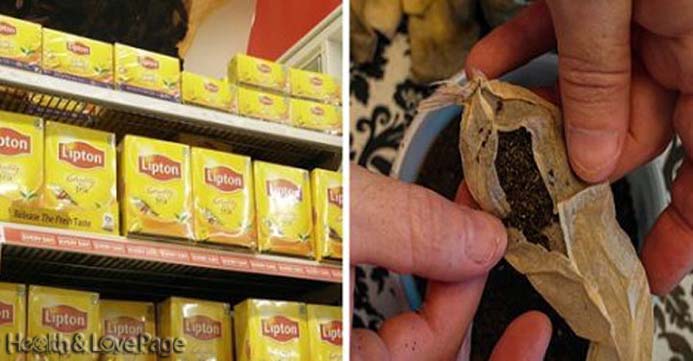
Which Tea Brands Were Tested
This investigation was led by CBC News in Canada, and it focused on the tea bags of these manufacturers and their products:
- Twinings
- Tetley
- King Cole
- Lipton, including Pure Green tea and Yellow Label Black tea
- Red Rose
- No Name
- Uncle Lee’s Legends of China, including Green Tea and Jasmine Green Tea
- Signal
The journalists used a certified laboratory to analyze the content of these tea bags and determine the quantity of pesticide residues in the dry tea leaves. The method used was the same as the one used by the Canadian Food Inspection Agency.
What the Laboratory Found
According to the report, about half of the teas included in this investigation contained pesticide residues above the allowed limit. In addition, most of the tested teas contained residues of more than one chemical, and one of the teas had more than 20 types of pesticides.
The pesticides found in some of these products included endosulfan and monocrotophos. These substances are being phased out or banned in many countries because of their effects on the health of the workers who handle them and on the environment.
It is important to note that the majority of teas had only small amounts of pesticides. Some of them, however, had levels above the legal limit.
Therefore, it is a good idea to be an informed shopper even when you are buying popular teas. According to the investigation, these were the brands with the highest number of residues:
- No Name – the tested tea from this brand contained more than a dozen different pesticides.
- Uncle Lee’s Legends of China – the green tea variety of this brand contained almost 20 kinds of pesticides. One of them was endosulfan, a pesticide that is being banned in many countries around the globe because high exposure has been linked to harmful effects on the nervous system.
- King Cole – the tested tea from this brand contained several pesticides, including monocrotophos. High exposure to this pesticide has been associated with effects such as an irregular heartbeat.
How the Companies Responded
Of course, the companies had a chance to comment on these findings. James O’Young, vice president of Uncle Lee’s Legends of China, for instance, rejected the claims. He said that pesticides are present in teas from all popular brands and that it is not possible to drink tea that is completely free of them.
However, according to the report, the Red Rose tea that was tested did not contain any pesticide residues.
The report did not say that drinking these teas causes illness, and the results apply only to the samples tested at that time. If pesticide residues concern you, you can look for certified organic teas or for brands that publish their own testing results, and check for newer information about the products you buy.
Via Healthy Food House | Parsi Cuisine
This article is for informational purposes only and is not a substitute for professional medical advice, diagnosis, or treatment. Always talk to your doctor about any health concern.