Each of us faces certain difficulties in life. Life is not always smooth sailing, so sometimes we feel energetic and happy and sometimes down and cranky. It is useful to understand that your emotions and thoughts may influence how your body feels, and many experts talk about emotions causing physical pain or making it worse.
Dr. Susanne Babbel, a psychologist specializing in depression and trauma, has written in Psychology Today that, according to several studies, physical injury is not the only cause of chronic pain and that emotional problems and stress can also contribute to it. She also suggests that in some cases physical pain is a reminder that we still have some unresolved emotional problems.
In other words, pain in the lower back might sometimes be related to problems you are going through. This suggests that our thoughts and feelings may affect how intense pain feels, and that is useful to know. According to Dr. Murray Grossan of the Grossan Institute, a good first step is to reduce the stress that can stand in the way of feeling better.
Some practitioners believe that certain emotions are linked to pain in specific parts of the body. The following list describes these suggested relationships between body parts and emotions, together with simple ideas for easing emotional tension. Many of these views come from life coaches and alternative practitioners and are not established medical facts, so persistent pain should always be checked by a doctor.
Body Areas and the Emotions Linked to Them
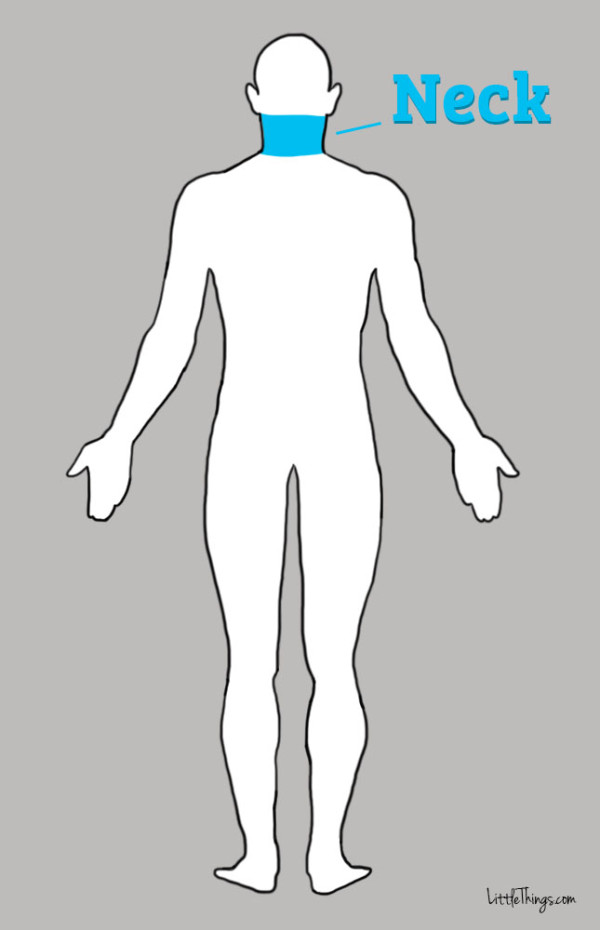
Pain in your neck
Lori D'Ascenzo, a kinesiology expert and Reiki practitioner, says that our neck carries our "self-recrimination and guilt". In her view, discomfort in this area may be related to an inability to forgive yourself and to being too harsh on yourself. A good way to approach this is to write down a short list of things about yourself that you find positive. If you are troubled by a particular action you have taken, simply apologize to the people you have hurt or disappointed. Being positive and saying sorry may ease some of the tension.
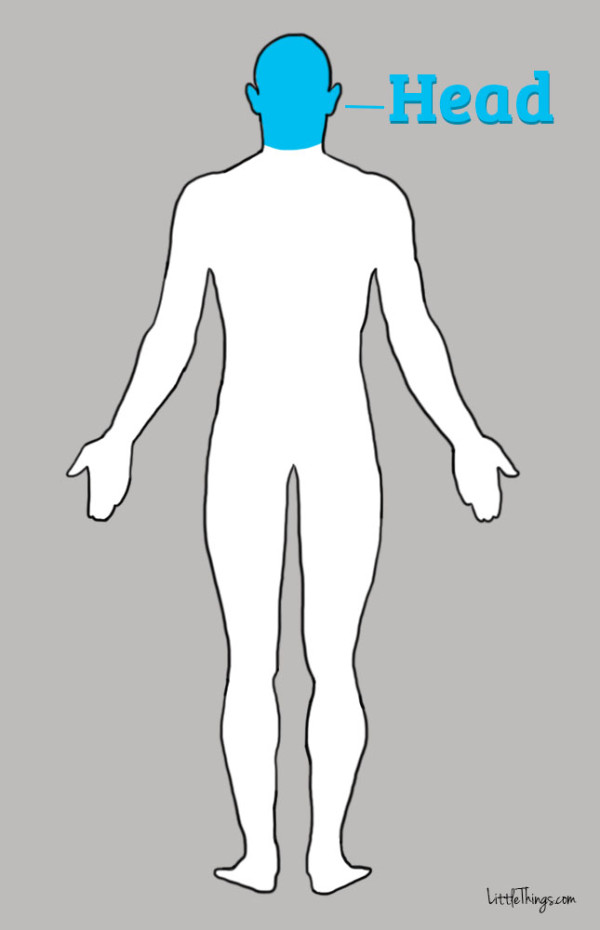
Pain in your head
According to Dr. Christina Peterson, emotional problems and stress can contribute to migraines. The headaches that you experience may be related to overthinking your daily duties, and stress can lead to tension in your head. So, find a way to relax during the day and you may feel better. If you can't find peace at home, visit the closest spa.
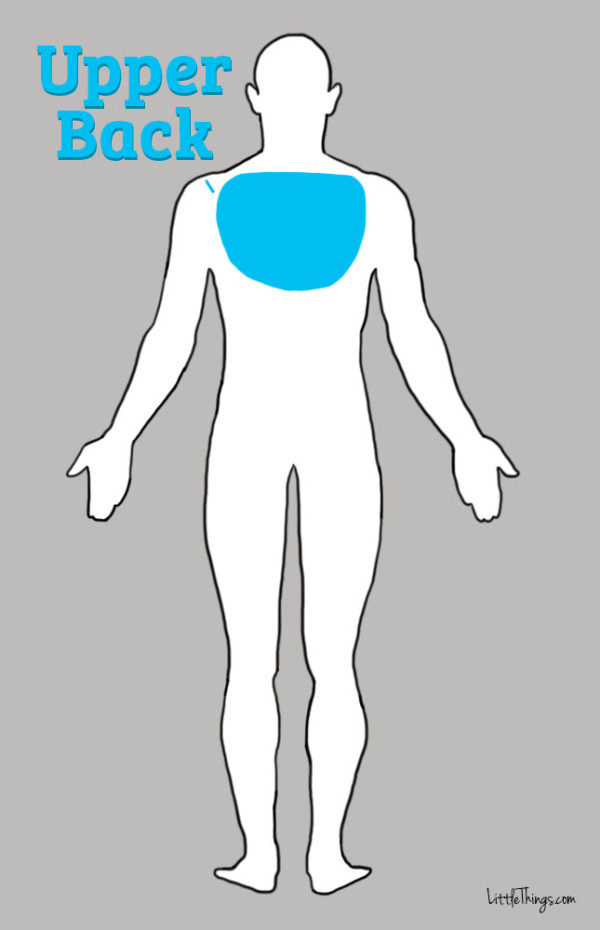
Upper back pain
Ronda Degaust, a life coach and self-help author, claims that the upper back is related to a constant feeling of lacking emotional support. Those who don't feel loved and those who are not letting their emotions out may experience this kind of tension. Instead of holding your emotions in, talk to the person you love and share your feelings. If you are single, ask someone on a date. Feeling loved and supported may help you relax.
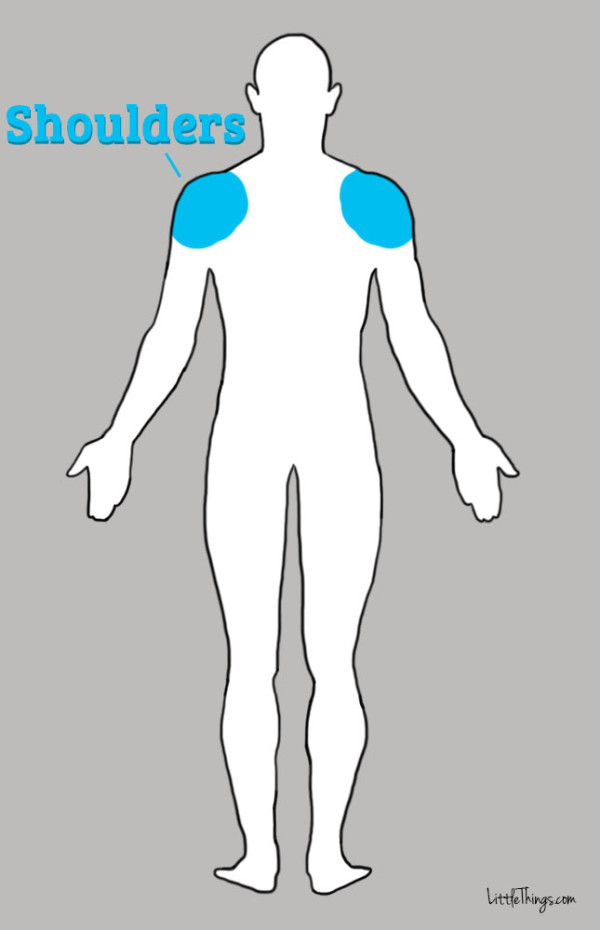
Pain in your shoulders
Ros Kitson, a professional kinesiologist, is convinced that the shoulders carry our "weight" and "burdens". When we take on too many tasks and obligations, our shoulders tense up and the final result is pain. Take some time and think about who else can help you with your daily tasks. You don't have to take care of everything. There are many cases in which people complete tasks that are part of a co-worker's job description.
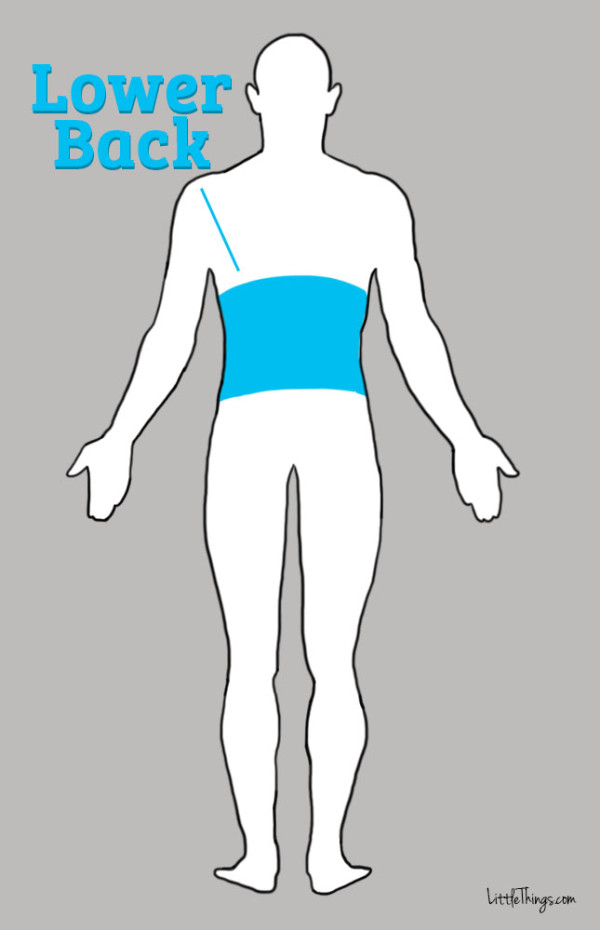
Lower back pain
Dr. Mark W. Tong, who writes about natural wellness, says that financial and money worries are very often linked to back pain. Just as being short of emotional support is said to affect the upper back, the absence of financial security can create pressure that is felt in the lower back area. It may be a good idea to ask for a raise. You can also reevaluate your budget and try to save some money.
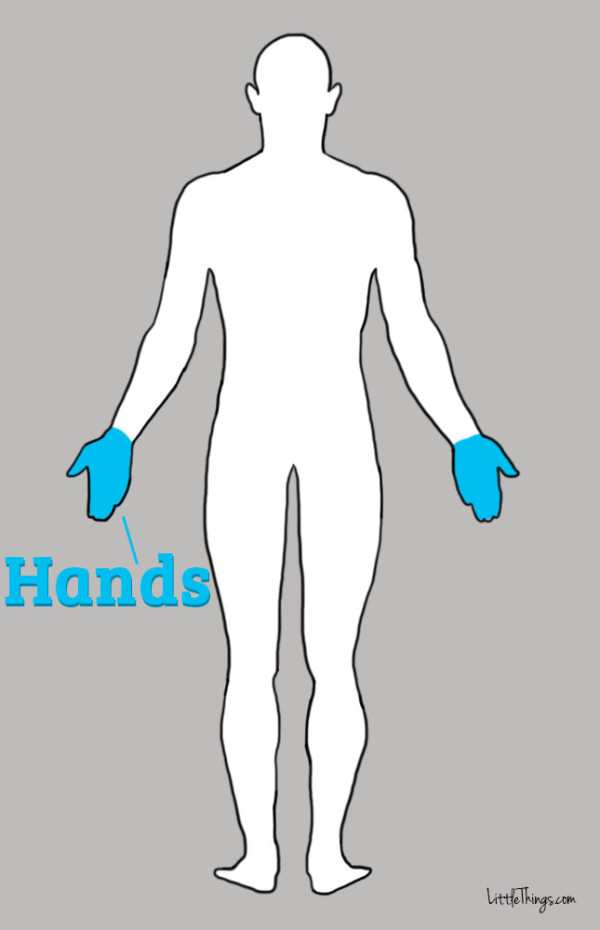
Pain in your hands
The aforementioned Reiki practitioner Lori D'Ascenzo believes that problems related to our hands are linked to our efforts to bond with other people. If we feel that we can't reach out to other people and can't emotionally connect with others, we could start feeling discomfort in our hands. Improve your social life and try to make new friends. Start with your coworkers and neighbors first. Invite them to dinner or simply talk to them when you have a break.
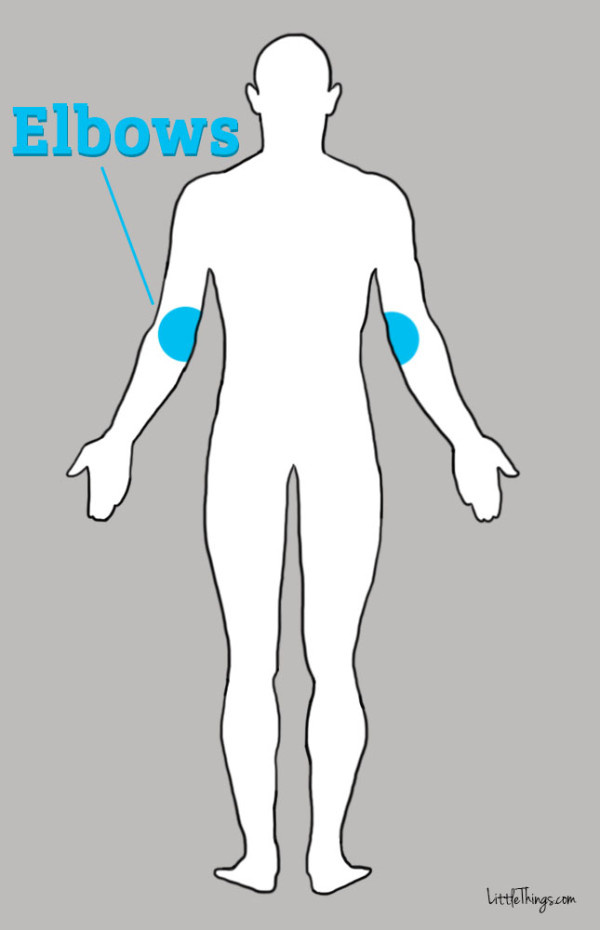
Pain in your elbows
According to an article written by Dr. Alan Fogel and published in Psychology Today, each emotion includes a motor component. When it comes to elbow pain specifically, the soreness is often said to be related to our resistance to change in our lives. The feeling of stiffness may be an indicator of stubbornness. This could be the right time to find a solution for the problems you have with your partner. Maybe it is also the right time to follow your friend's advice and visit a different restaurant than the one you have been going to for years. There is nothing wrong with compromise and change.
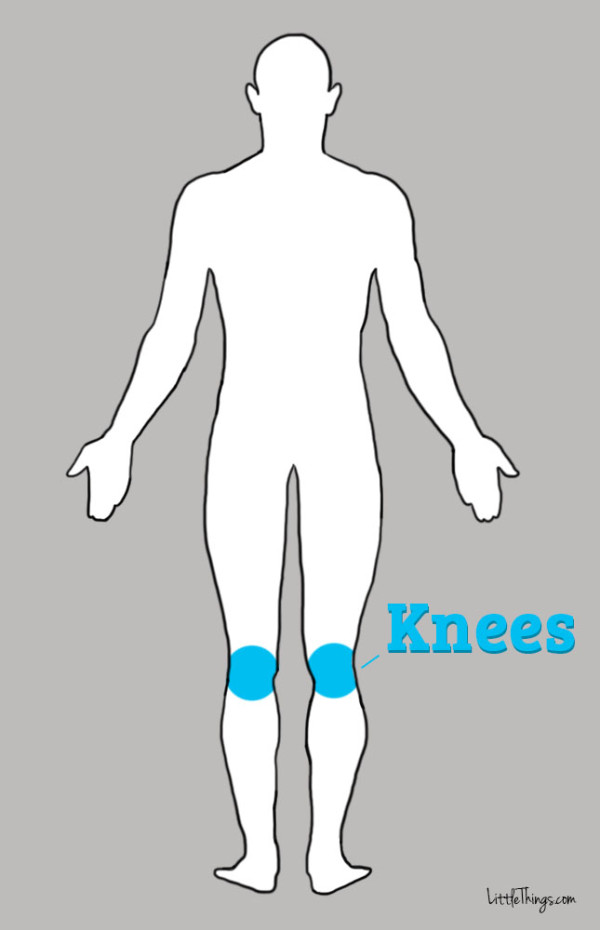
Pain in your knees
Lawrence Michail, a writer focused on traditional Chinese acupuncture and medicine, believes that knee pain and knee issues can be related to a big ego and being overly proud (you don't want to bend). You may feel that you are carrying all the weight and that nothing will function properly without you. Spend some time working on another virtue – being humble. There is nothing wrong with giving someone a compliment or praising the work of your colleagues. Next time you feel the need to brag, restrain yourself and see whether you feel more at ease.
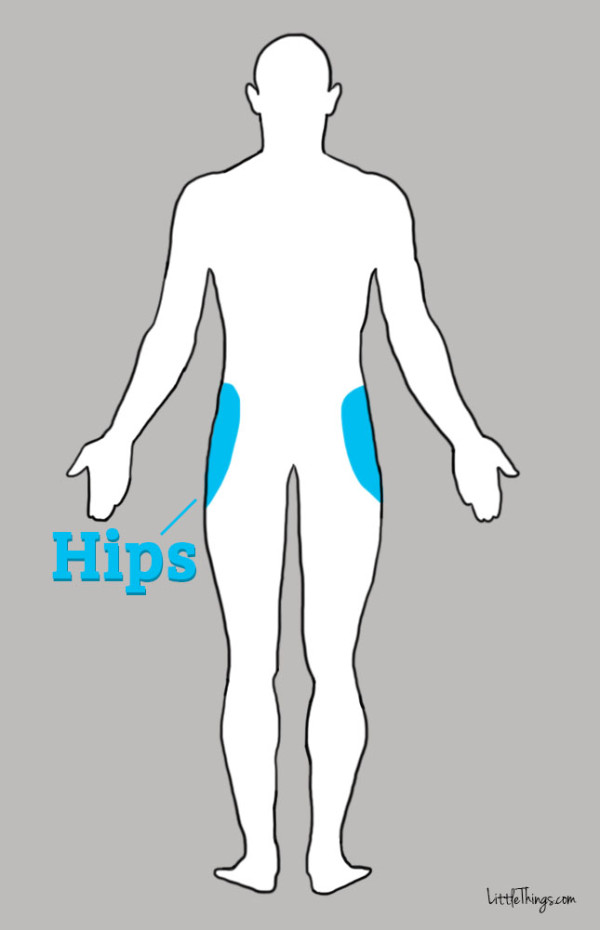
Pain in your hips
Barbara Clark, the founder of Beyond Affirmations and a well-known self-help author, says that a constant fear of change and movement can show up as pain and stiffness in the hips. We are talking about significant changes and taking the next step in our lives. In her view, discomfort in the hips may show that it is taking you too long to make a decision that will change your life. Don't hold yourself back: if you are planning to open a new business and you have a plan, go for it. Once you take that important step, you will probably feel relieved, and the tension may ease too.
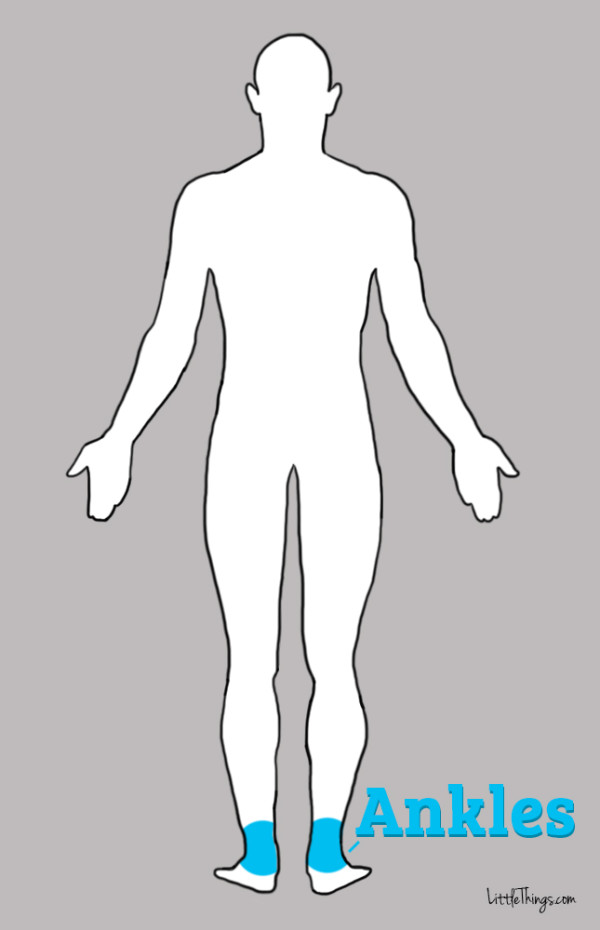
Pain in your ankles
My "Plane" Truth is a book written by Jill Douglas, and a significant part of it is dedicated to the relationship between pain in the ankles and emotions. The author says that the ankles are directly related to our ability or inability to receive pleasure. Kathy Hadley, a life coach, shares this view. If you are trying to keep away from the pleasure that life brings, you may notice tension in your ankles. So, stop what you are doing and treat yourself. Allow your body and mind to enjoy a little. Eat your favorite food or use your free time to do whatever pleases you the most.
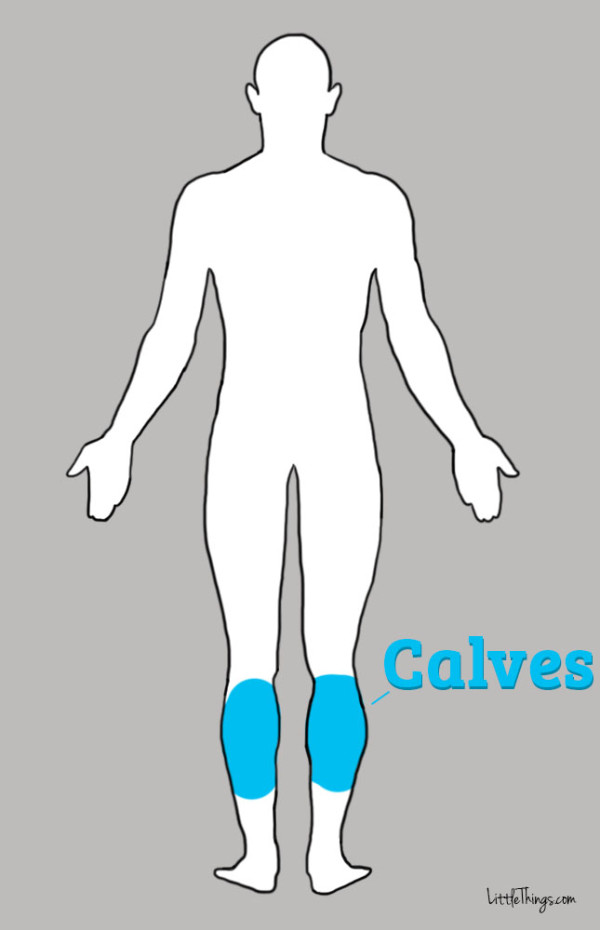
Pain in your calves
According to Dr. Laura Perry, the calf muscles react to the emotional tension or stress we experience. Discomfort in this area may be related to resentment and jealousy. To be honest, every person is jealous in some situations, but this should only be a temporary feeling. Letting go of jealousy is good for your well-being, and it also helps you become a better person and enjoy your life.
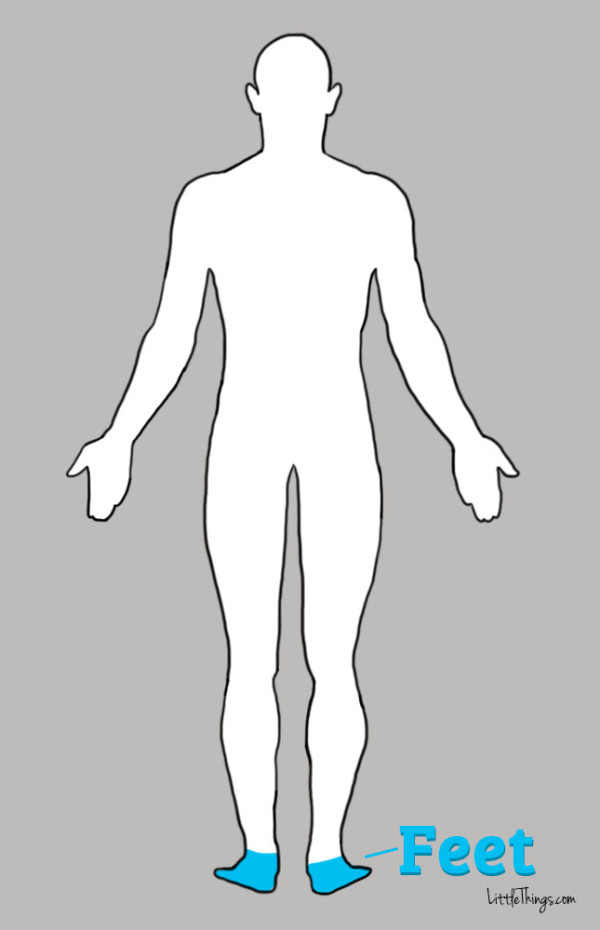
Pain in your feet
Dr. Adaobi Anyeji, a clinical psychologist from California, says that when people feel depressed they often engage in negative inner monologues, and these monologues can lead to physical discomfort and make existing health problems feel worse. Being overly negative and holding back from joy and happiness may contribute to chronic foot pain. You don't have to travel miles away to forget your problems. Simply try to enjoy all the small things that happen during the day. Visit your friends or relatives, or visit some of the local attractions you have not seen for years – enjoy life.
Remember that pain can have many causes. If pain is strong, lasts a long time, or keeps coming back, talk to your doctor, and reach out to a mental health professional if stress or low mood is affecting your daily life.
Via Huffpost | Medical News Today
This article is for informational purposes only and is not a substitute for professional medical advice, diagnosis, or treatment. Always talk to your doctor about any health concern.