Diabetes is a chronic condition in which the body cannot use glucose properly, so the level of glucose in the blood becomes too high.
Glucose is a simple sugar and an essential fuel for the brain and the muscles. The body gets it from foods rich in carbohydrates, such as bread or potatoes.
Food is broken down in the digestive system, and the glucose then travels through the blood to the places in the body that need it most at that moment. The hormone insulin, which is made in the pancreas, helps the cells take in the glucose and turn it into energy. When the body does not make enough insulin, or cannot use it well, diabetes occurs.
Read also
How Many Types of Diabetes Exist?
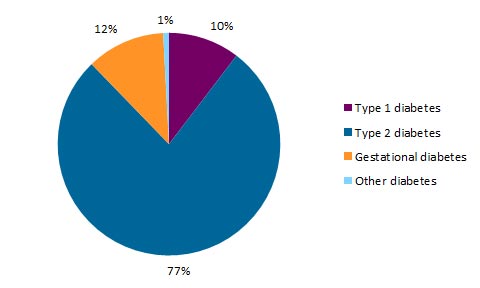
There are two main types of diabetes. People with type 1 diabetes need insulin as a treatment, usually as injections, because their body does not produce it. Type 2 diabetes is more common. It is usually managed with changes in diet and lifestyle and with tablets, and some people with type 2 need insulin as well. The doctor decides which treatment is suitable in each case.
Is DNA the Major Reason for Diabetes?
Yes and no. Generally, if a father, mother, sister, or another close relative has diabetes, a person has a higher chance of developing the same condition during their lifetime. But there are also cases where people develop diabetes even though nobody in their family has it. Besides family history, excess weight, an unbalanced diet, and too little physical activity are among the known risk factors for type 2 diabetes, and long-term stress may play a part too.
How Is Diabetes Managed?
- Inhaled insulin (for some patients);
- Diabetes tablets;
- Insulin injections;
- Diet
Medicine helps a lot in cases like these, but the way you eat, what you eat, and when you eat your meals is very important too. People with diabetes are usually advised to limit white bread, sweets, cakes, candies, and anything else with a lot of added sugar. Fruit contains natural sugar as well, so portion size matters. Bitter melon, sour apples, and lemons are popular choices on a diabetic person's table because they are low in sugar.

- Remember to drink water regularly. You can try lemon or Sassy water for better taste.
- Eucalyptus is an herb traditionally used in some folk remedies, and researchers are still studying its effects.
- Bananas are higher in sugar than many other fruits, so people with diabetes are often advised to eat them in small portions.
Read more: Natural Habits That Support the Management of Type 2 Diabetes.
Conclusion
Diabetes is not contagious. It is not passed from person to person by a touch of the hand, by saliva, or through a wound. But it is one of the most widespread chronic conditions of the 21st century, it affects hundreds of millions of people worldwide, and it can lead to serious complications when it is not kept under control. That is why doctors suggest regular check-ups, blood sugar tests, physical activity, and an appropriate diet. Never change or stop any diabetes medication without talking to your doctor.
This article is for informational purposes only and is not a substitute for professional medical advice, diagnosis, or treatment. Always talk to your doctor about any health concern.