Chronic pain lasts for months or even years, and food choices may play a role in how people feel. Unlike acute pain, it has no protective role, and it can disrupt everyday activities and reduce the quality of life. Many experts consider chronic pain a condition in its own right, and not just a symptom.
Luckily, there are things you can do when it comes to chronic pain. A simple change in your diet and better food choices may make a difference. Some foods may make chronic pain worse, while other foods may help ease it.
The following is a list of these foods.
Foods That May Trigger Chronic Pain
1. Fried Foods
It is true that fried foods taste good and that the oils used for frying are rich in omega-6 fatty acids, but eating this kind of food regularly is not a good idea. Omega-6 fatty acids can be useful, but only if they are balanced with omega-3 fatty acids. Most people don’t keep this balance, which may contribute to inflammation or even chronic pain.
2. Beer
You can find many articles claiming that beer is healthy. Unlike other alcoholic beverages, beer does contain some useful ingredients. However, drinking beer in high amounts may increase the risk of gout. The reason behind this is simple – the high level of purines found in beer. It is best to keep beer to a minimum.
3. Processed Foods
It is sometimes very convenient to eat food that comes from a box or a can. You only need to open the package and you have dinner or lunch. However, processed food may contribute to chronic pain and inflammation. It often contains trans fats, gluten, omega-6 fatty acids, and so on.
4. Gluten
We have mentioned gluten as one of the factors that may play a role in chronic pain, but this ingredient has different effects on different people. People who are sensitive to gluten may feel better when they avoid it. Processed food, rye, barley, and wheat are some of the foods where you can find gluten.
5. Aspartame
This artificial sweetener (also known as NutraSweet) is often used instead of large quantities of sugar, but some people report headaches and discomfort after consuming it.

6. Trans Fats
Trans fats are vegetable oils that are processed to be stable at room temperature. They have many negative effects on health, and they may also contribute to chronic pain.
7. Sugar
High amounts of sugar in the diet increase the amount of advanced glycation end products, which are formed when glucose molecules bind to proteins. The proteins become stiff and rigid, which may contribute to pain.
8. Foods to Which You Are Sensitive or Allergic
Eating food to which you are sensitive or allergic may affect your blood sugar levels and may increase inflammation. Foods that people commonly report being sensitive to include gluten, wheat, dairy products, potatoes, and sugar.
9. Caffeine
Caffeine and some other stimulants are often used when people lack energy. They work well in the short term, but consuming them in large quantities may contribute to inflammation and chronic pain.
10. Junk Food
Junk food is best avoided, not only because of chronic pain but also to keep your body healthy.
Foods That May Help Ease Chronic Pain
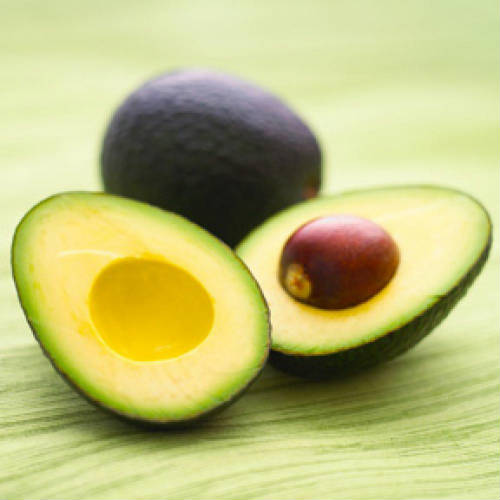
1. Avocado
These exotic fruits have many different vitamins, including vitamin K, which makes them a popular choice in a diet for people with chronic pain.
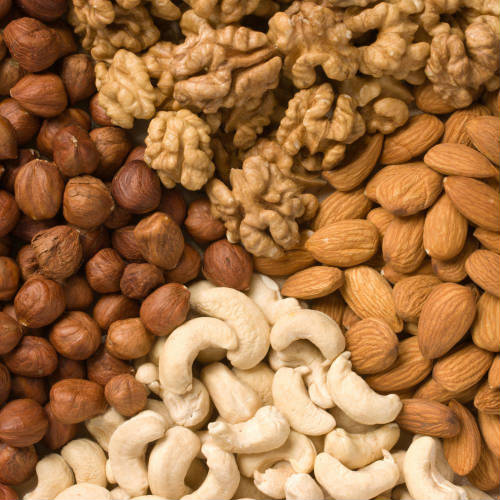
2. Raw Walnuts
Raw walnuts contain high amounts of omega-3 fatty acids. As we have mentioned before, people need to keep a balance between omega-3 and omega-6 fatty acids. We usually have higher amounts of omega-6 fatty acids in the body, so that’s why we need to find good sources of omega-3 fatty acids.
3. Dark Leafy Greens
Kale, spinach, Swiss chard, and collards are some examples of leafy greens that many people add to their diet. They don’t have a special taste, but they have a high amount of antioxidants, which help the body deal with free radicals.


4. Sea Vegetables
Fucoidans are the most interesting ingredient of sea vegetables when it comes to chronic pain. In addition, these vegetables contain small amounts of iron and vitamin B.
5. Ginger
Ginger is traditionally used for muscle pain. According to some studies, ginger may also help ease discomfort related to osteoarthritis and stomach pain.
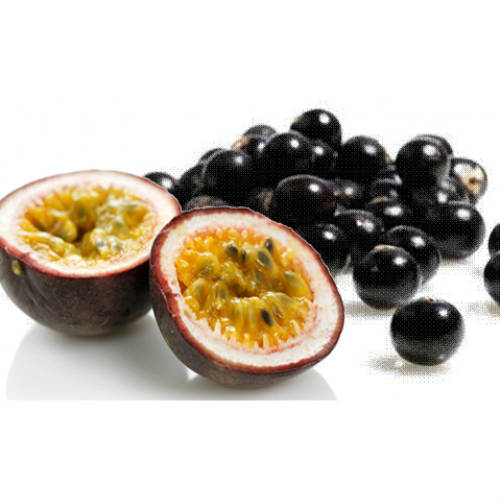
6. Acai Berries
Just like leafy greens, acai berries are rich in antioxidants. In addition, they contain omega-3 fatty acids, which makes them a good addition to the diet.
7. Turmeric
This is something that tastes good and is traditionally used by people with chronic pain. Turmeric is often used for stomach discomfort and discomfort related to osteoarthritis. You can also read more about what science says about turmeric, or try this turmeric smoothie recipe.
8. Cherries
Studies have shown that cherries and cherry juice are rich in antioxidants. Some studies suggest that cherry juice may help people with osteoarthritis. The only downside is that cherries have a short season, but keep in mind that you can always find them frozen and make a delicious smoothie instead.



9. Flax Seed
These seeds have high amounts of omega-3 fatty acids. As previously mentioned, omega-3 fatty acids are linked to lower inflammation, which may be helpful for people with chronic pain. You can use flaxseed in salads and soups.
10. Red Grapes
Finally, you can use this tasty fruit. Red grapes contain resveratrol. This compound is believed to have anti-inflammatory properties. The same compound can be found in peanuts and berries. Several studies suggest that resveratrol may help protect cells from inflammation. Some people like to combine red grapes and turmeric in their diet.
We hope that these tips will also help you with living with chronic pain. If you have chronic pain, talk to your doctor before making major changes to your diet.
This article is for informational purposes only and is not a substitute for professional medical advice, diagnosis, or treatment. Always talk to your doctor about any health concern.